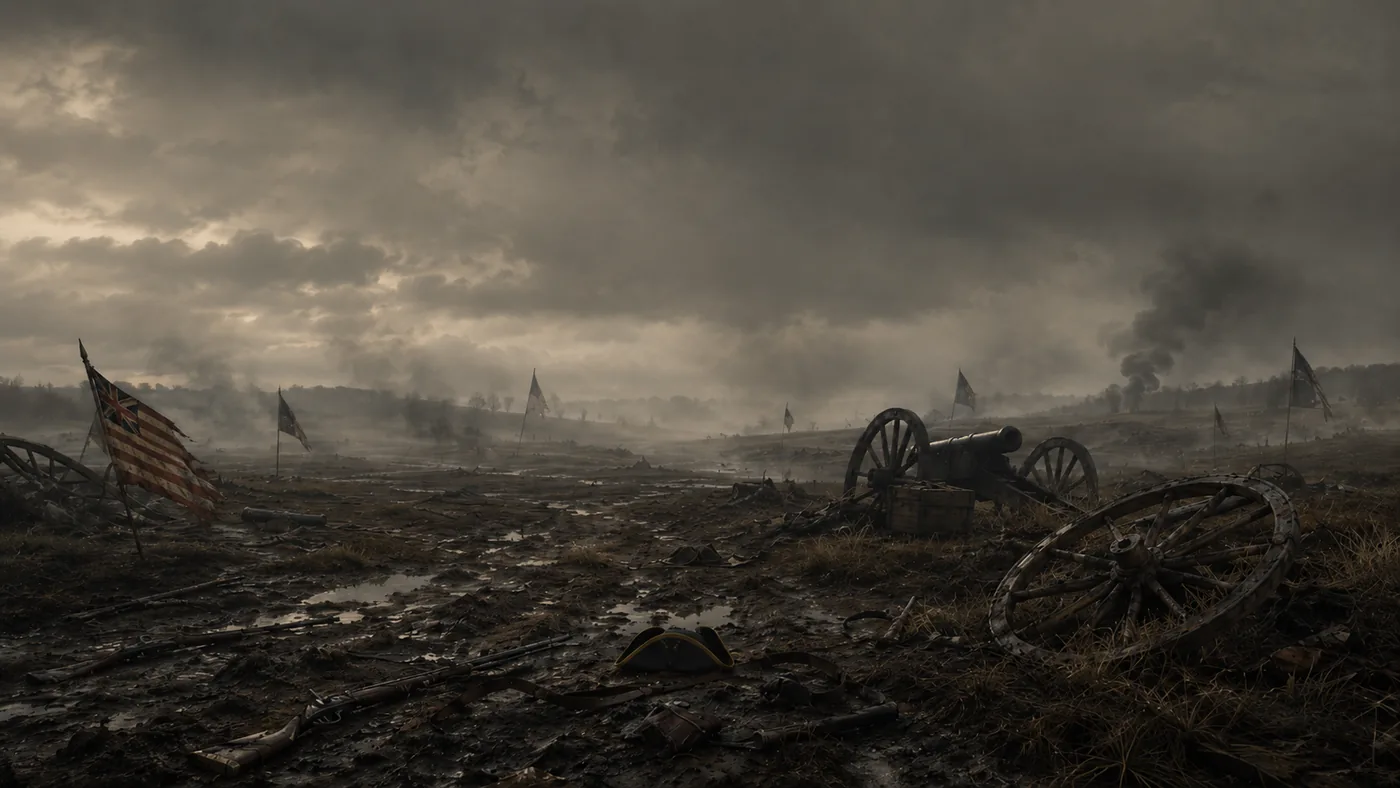

It’s 1776.
And things aren’t going well.
The most powerful military on earth is closing in — and a collection of colonial farmers is all that stands in its way. The man holding them together is ready to answer your questions.
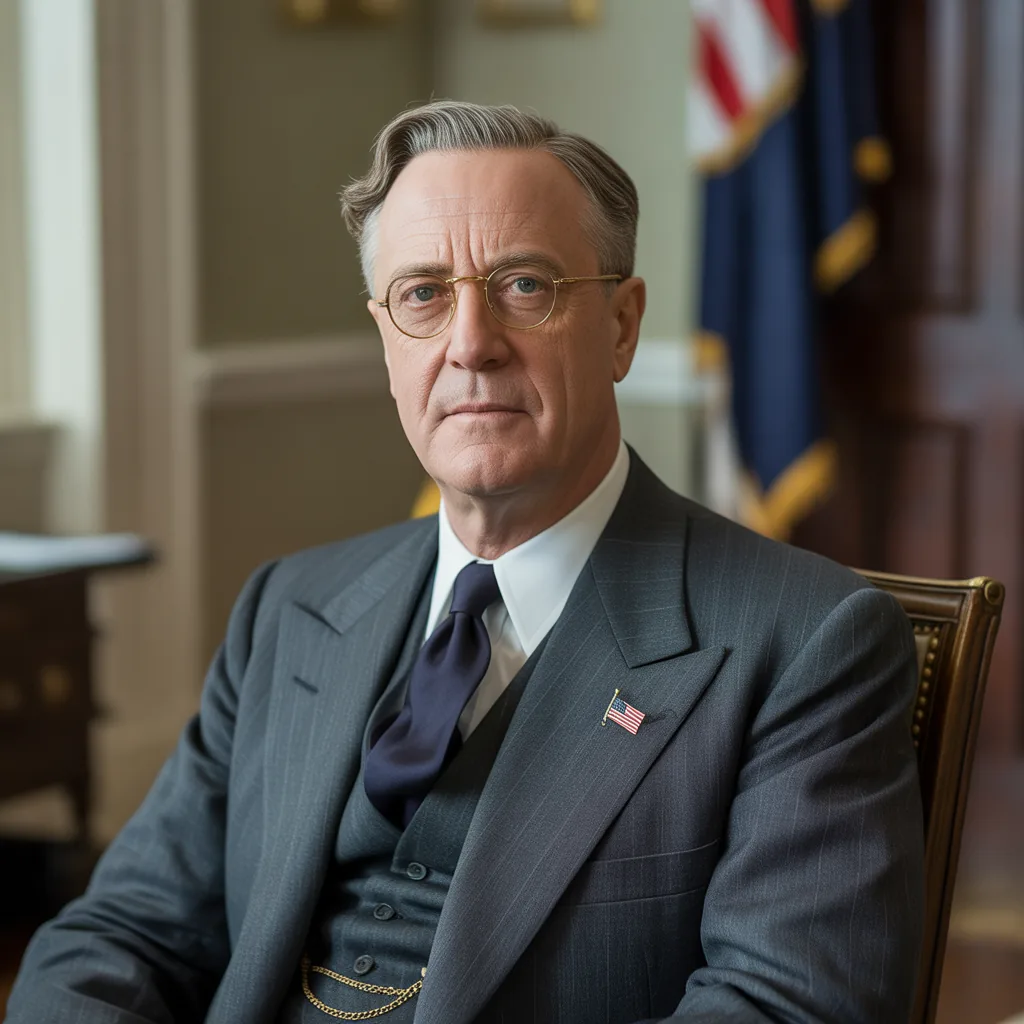
Bring your students face-to-face with the people who shaped America.
Historical avatars, trained on their own letters, speeches, journals, and vetted historical documents.
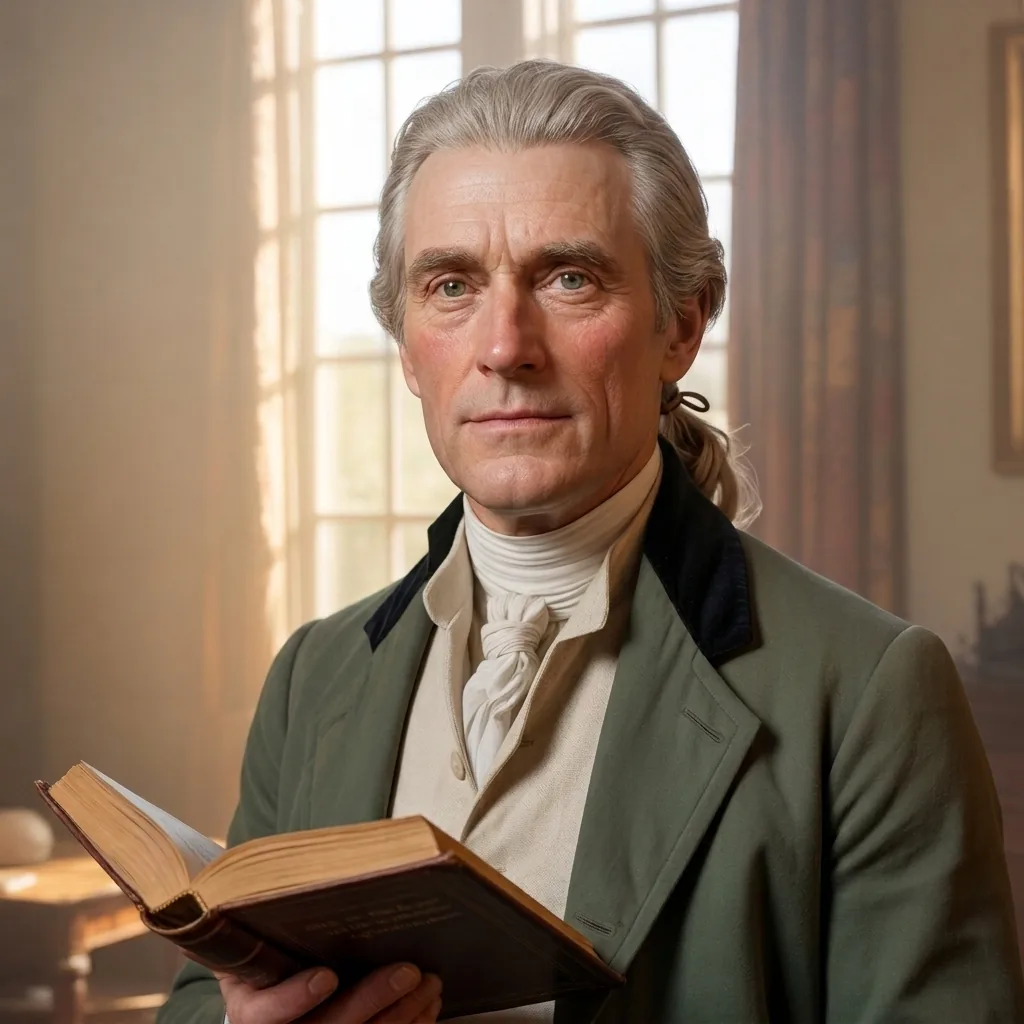
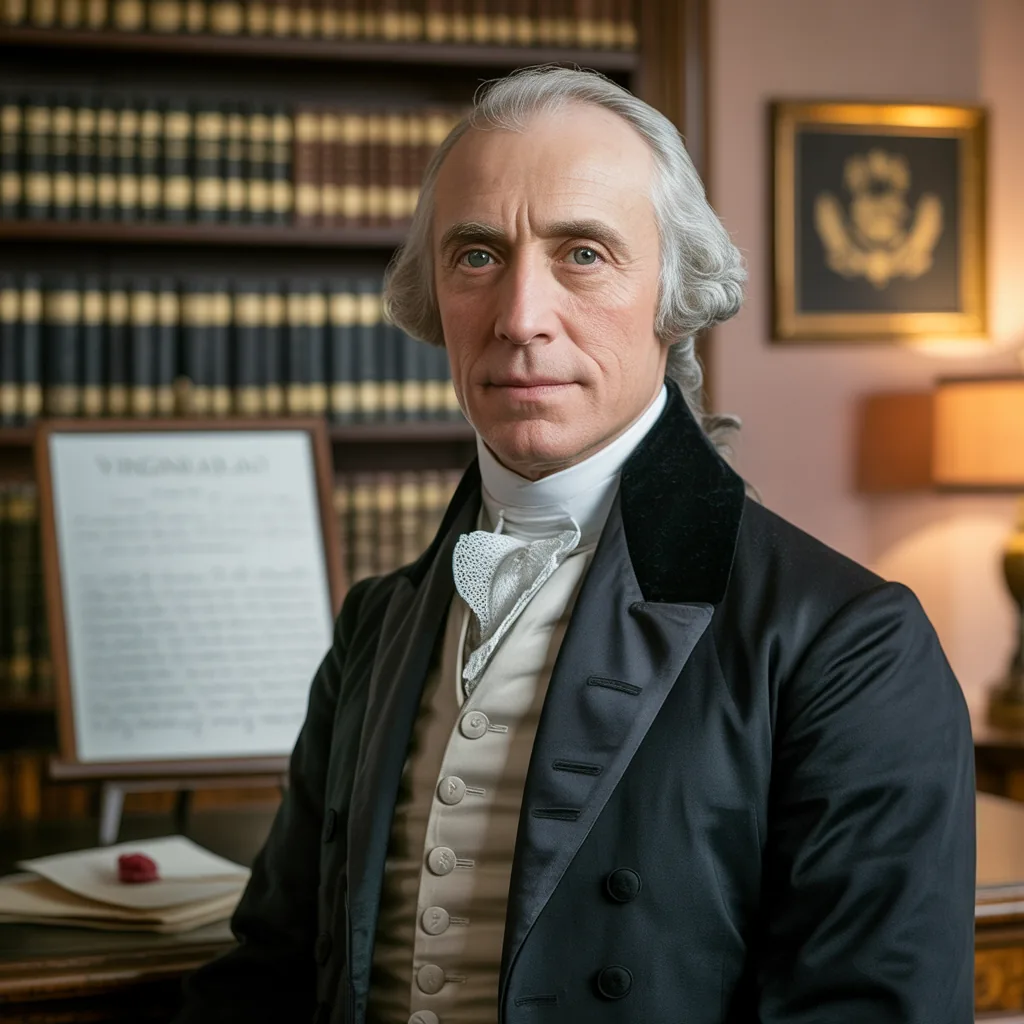
Thomas Jefferson
Author, Declaration of Independence
As shots were being fired, somebody had to find the words: why are we fighting at all?
He wrote that all men are created equal — the most quoted sentence in American history. Ask him whether he knew what he was setting in motion.
Were you writing something new — or were you finally saying out loud what everyone already knew?
Summer 1776Primary Source · Declaration of Independence
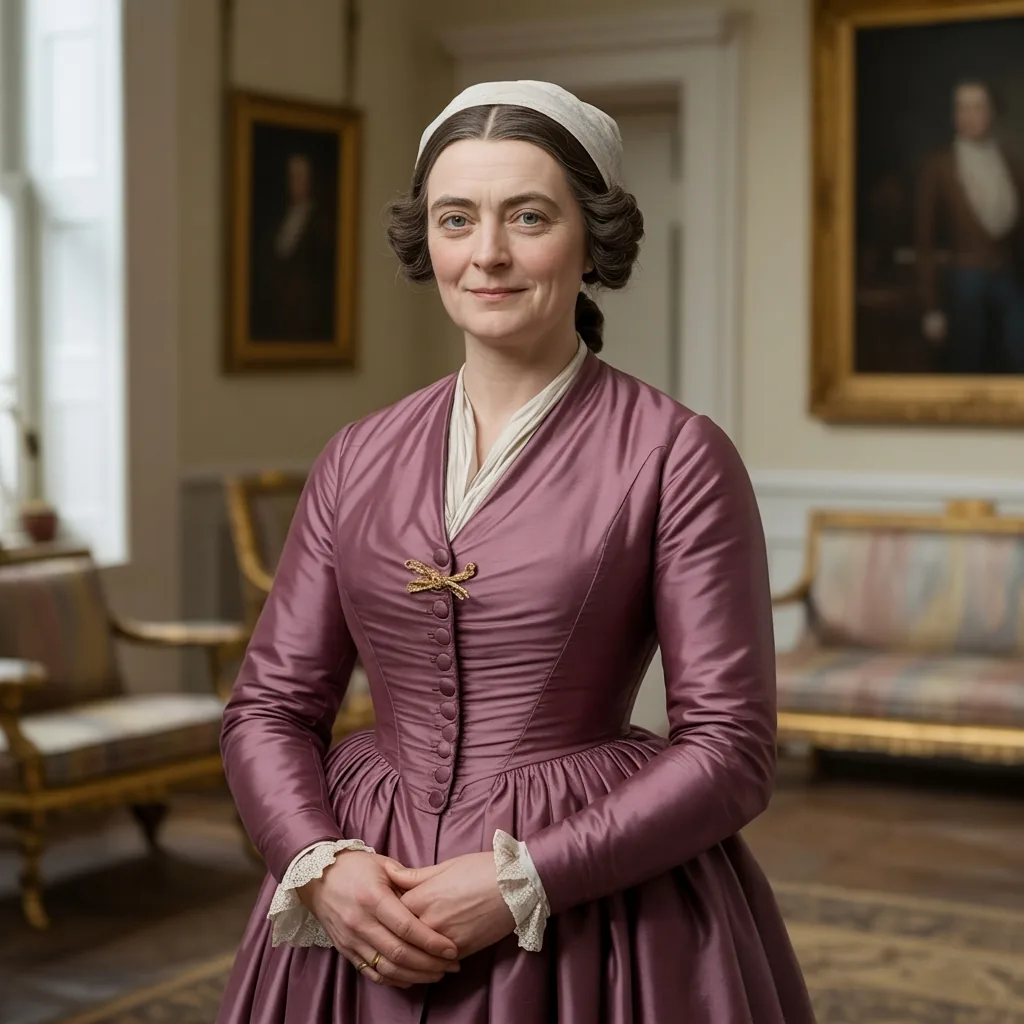
Abigail Adams
Letter writer, political thinker
While Jefferson was writing, women were doing the intellectual and political work of the founding too — and getting none of the credit.
She wrote her husband one of the most consequential letters of the era — Remember the Ladies. Ask her why.
What exactly were you asking for — and what does it mean that you had to ask at all?
March 31, 1776Primary Source · Letter to John Adams
Sacagawea
Lemhi Shoshone interpreter, Lewis & Clark Expedition
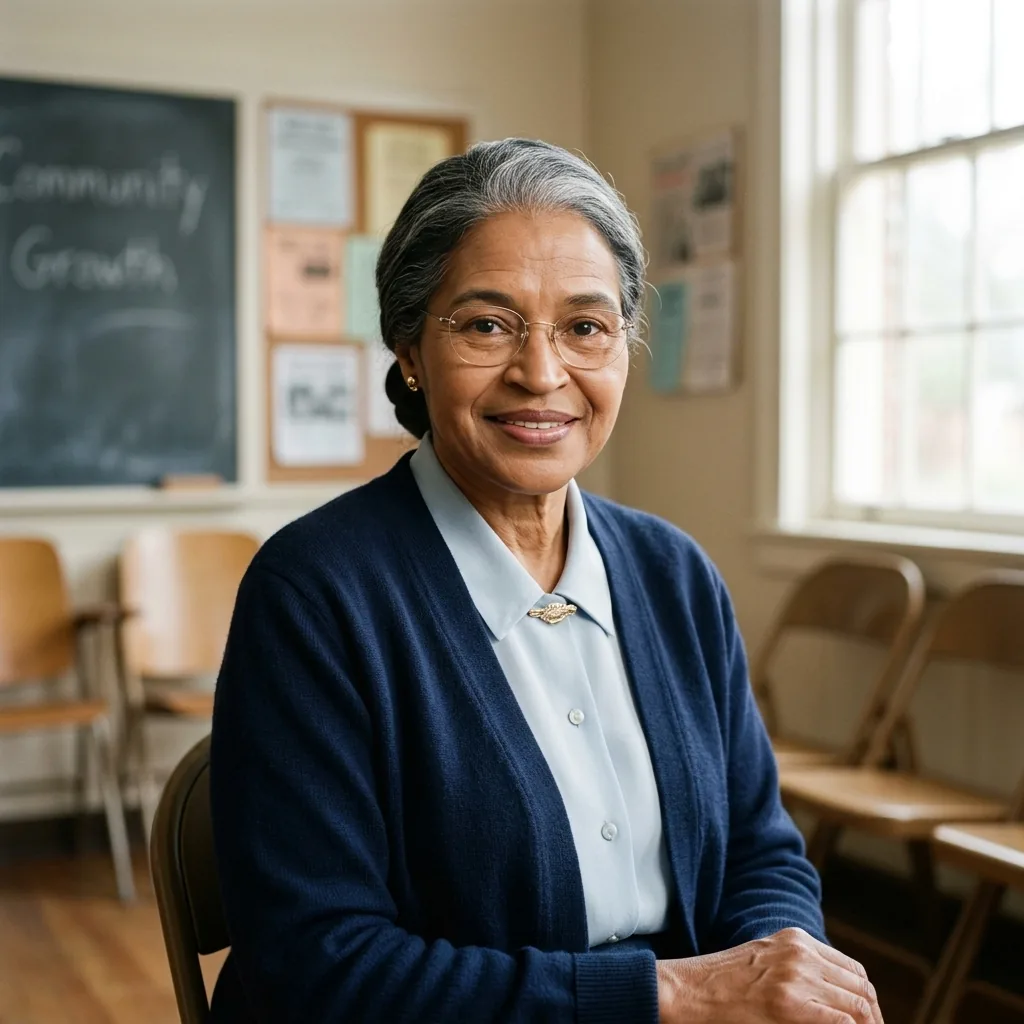
The revolution succeeded. The Constitution was ratified. The new republic expanded west.
She was the only woman on the Lewis and Clark Expedition — and, by most accounts, the reason it survived. Ask her what it was like.
Without you, does the expedition survive — and if the answer is no, why doesn’t history say your name the way it says Lewis and Clark’s?
1804 — 1806Primary Source · Lewis & Clark journals
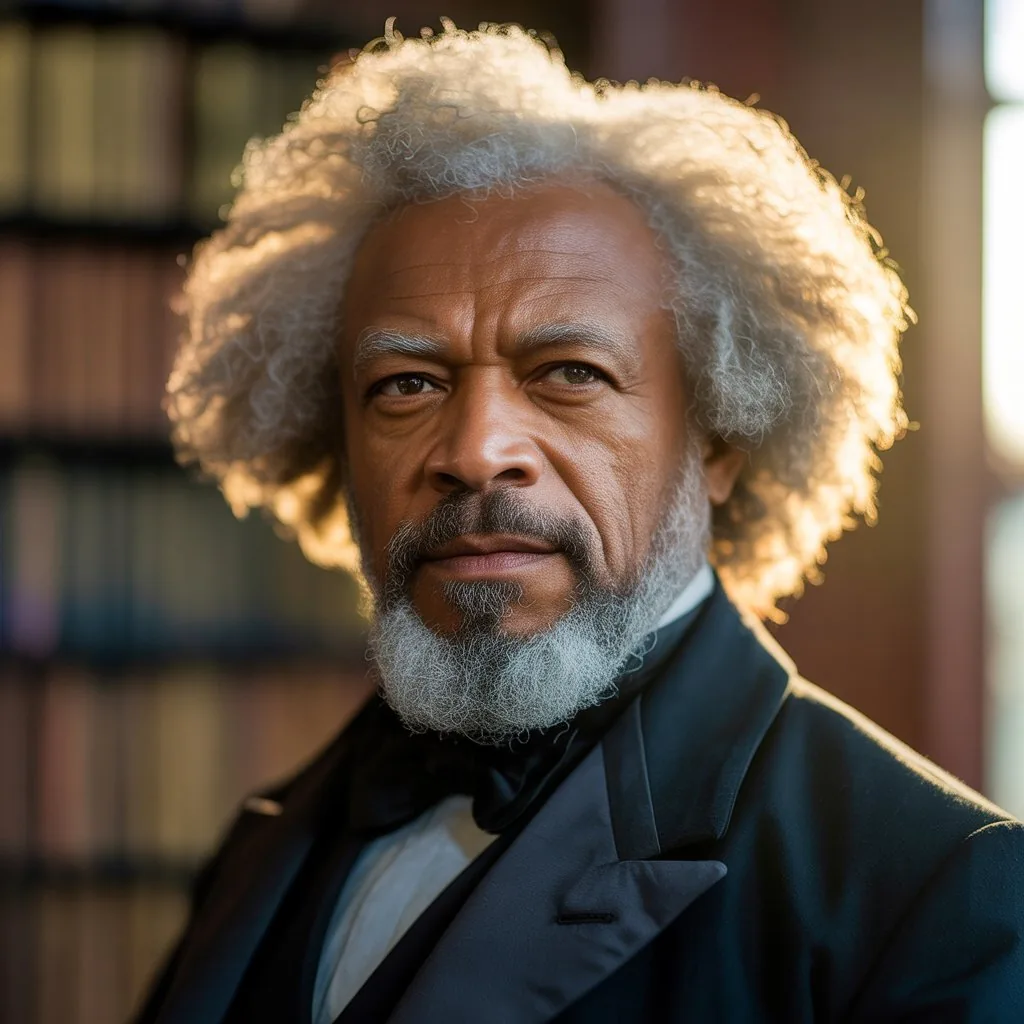
Frederick Douglass
Abolitionist, orator, statesman
The nation was more than 75 years old, and four million Americans were still enslaved.
He took the stage and demanded to know what the Fourth of July meant to those in chains. Ask him whether the founding was a broken promise, or one still unfinished.
Was the founding a broken promise — or an unfinished one?
July 5, 1852Primary Source · “What to the Slave is the Fourth of July?”
Student Driven Learning
I.
Inquiry-based
Students talk to historical figures. A live, spoken interview. The student picks the line of questioning — not a worksheet, not a multiple-choice prompt.
A student might open with: “Did you expect to win?”
II.
Sourced
Answers are grounded in primary sources. Every response the figure gives is generated safely from verified sources at the Library of Congress and other vetted institutions. Citations surface inline. Nothing is invented.
Students examine primary sources.
III.
Anchored by State Standards
Students argue. In writing. When the interview ends, students take a position on a genuine historical question and defend it in a short written assignment — demonstrating historical thinking, correlated to your state’s Social Studies & ELA standards.
Teachers have full visibility into student performance.
The safety isn’t a feature.
It’s the foundation.
A generic chatbot will make up history. Story of America cannot. Every avatar is constrained to the documentary record — and built so that students can see, cite, and challenge the source behind every line.
01 · NARA · LoC
Every word from the record.
Responses are traceable to verified primary sources— or to reliable secondary scholarship.
02 · Safety · By design
No fabrication.
The historical figure will not answer a question it cannot ground in a real source. When the record is silent, the figure says so.
03 · Sourced · Verifiable
Citations in-line.
Every claim a student hears is linkable to the document behind it. Students see the sources. Teachers verify in one click.
04 · Middle & High School
Built for the classroom.
Designed for middle and high school U.S. history. Single sign-on via ClassLink, Clever, or manual rostering.
05 · 50 states
Standards correlated.
Every response and every written assignment correlates to your state’s social studies framework and to your state’s ELA argumentative writing standards.